
Bringing Pets to the European Union: What Owners Need to Know
Relocating to Europe with a pet requires careful preparation and compliance with European Union animal health regulations. In 2026, the EU maintains strict but standardized rules designed to prevent the spread of diseases while allowing pets to travel safely with their owners. While the core requirements are consistent across EU member states, some country-specific variations may apply.
This guide explains the essential rules, documents, and practical steps involved in moving to Europe with pets.
Which Pets Are Allowed to Enter the EU?
EU regulations primarily cover:
- Dogs.
- Cats.
- Ferrets.
Other animals, such as birds, reptiles, rodents, and rabbits, are subject to national regulations and may require additional permits or be restricted altogether.

Mandatory Requirements for Pet Entry Into the EU
The European Union enforces strict entry requirements for pets traveling from abroad. Compliance with these mandatory measures is essential to ensure a smooth border crossing and to avoid quarantine or refusal of entry.
- Microchipping. All pets must be microchipped with an ISO-compliant chip (ISO 11784/11785) before any vaccinations are administered. Tattoos are accepted only if applied before July 3, 2011, and clearly readable.
- Rabies Vaccination. Pets must be vaccinated against rabies after microchipping. The animal must be at least 12 weeks old. A 21-day waiting period applies after the initial vaccination. Booster vaccinations are accepted without waiting periods if administered on time.
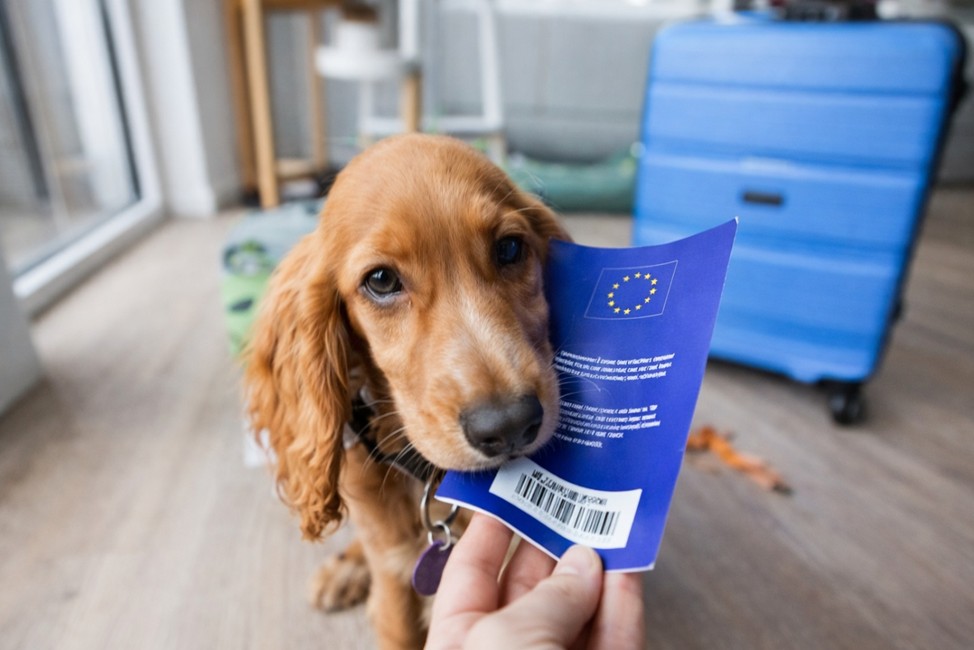
- EU Pet Passport or Health Certificate. EU residents use an EU Pet Passport. Non-EU travelers must present an EU Animal Health Certificate, issued by an authorized veterinarian. The health certificate is generally valid for 10 days for entry into the EU and up to 4 months for intra-EU travel.
Additional Requirements for Certain Countries
Some EU countries require tapeworm (Echinococcus multilocularis) treatment for dogs before entry, including Finland, Ireland, Malta and Norway. The treatment must be administered 24-120 hours before arrival and recorded by a veterinarian.
Traveling From High-Risk Rabies Countries
If you are relocating from a country classified as high-risk for rabies, additional steps apply:
- Rabies antibody titration test.
- Mandatory waiting period (usually 3 months after the blood test).
- Pre-approval by EU authorities in some cases.
Failure to meet these requirements may result in quarantine or refusal of entry.
Also remember: EU regulations allow up to 5 pets per person for non-commercial travel. For more than five pets or commercial relocation, different rules and permits apply.
Transportation Rules: Air, Land, and Sea
While EU entry requirements for pets are largely standardized, transportation rules differ based on whether animals travel by air, land, or sea. Each method involves specific carrier policies and procedural considerations.
Most airlines require:
- Approved pet carriers.
- Advance booking.
- Health documentation.
- Additional fees.
Some airlines restrict certain breeds or limit in-cabin travel. As for land and sea travel rules remain the same, but border checks may be stricter at certain entry points.
Quarantine Rules in the EU
There is no mandatory quarantine for pets entering the EU if all requirements are met. Quarantine may apply only if documentation is missing or invalid.
Practical Tips for Moving With Pets:
- Start preparations at least 3–4 months in advance.
- Confirm airline and destination country rules.
- Keep both original documents and copies.
- Schedule veterinary visits early.
- Consider professional pet relocation services for complex cases.
Moving to Europe with pets in 2026 is a well-regulated process, but it requires careful planning and strict compliance with EU animal health laws. Understanding the requirements in advance helps avoid delays, quarantine, or entry refusal. While EU rules are largely harmonized, checking country-specific regulations remains essential.
For long-term relocation, international travel from high-risk countries, or multiple pets, professional guidance may help ensure a smooth transition.